
Web Development – Building Your Online Business
Building an online business requires a clear strategy that aligns your web development approach with your revenue goals. Whether you are building an e-commerce empire, a service-based agency, or a B2B SaaS, the core foundation includes choosing the right platform, automating operations, and optimizing for conversions.
Choose the Right Platform for Your Needs
For E-commerce: Platforms purpose-built for selling, such as Shopify, offer robust out-of-the-box inventory tracking and payment processing. For users comfortable with WordPress, WooCommerce provides complete data ownership and deep integration capabilities.
For Service & Content Sites: If you want an elegant, design-forward website without building from scratch, Squarespace is highly effective. For an intuitive, AI-assisted build with lower initial pricing, consider Hostinger.
For Custom Development: If your business requires bespoke features not covered by templates, frameworks like React or a custom WordPress build offer maximum scalability.
An easy-to-manage Content Management System (CMS) lets you update your website, publish blog posts, and add images without needing coding skills. The right platform for you depends on your technical comfort, budget, and business needs.

Our Web Development Process
Every project you want to make begins with strategy and analysis. This phase lays the benchmark for your website. This web development step focuses on highlighting goals, needs, priorities, and information architecture. Defining goals: The first thing you need to ask yourself is why build this website and what is its purpose? The main targets include offering info, lead generation, and helping with bookings. Target audience insights: Make sure to determine what audience you are targeting. Then analyze what their requirements are. The customer behaviour data will help you understand your audience better. Competitor research: Keep an eye on your competitors. Determine their positive and negative areas of performance. Use those gaps to make a place for yourself. Identify stakeholders: Stakeholders are involved in the ‘Discovery Meeting’, which is a major activity to get everyone on the same page. They also help in aligning and allocating the development resources. Time required to execute: 1 to 2 weeks.
Move into the planning stage next once the foundation is set. This is the step where you shape the site structure, consider the webpages you want to build, and map out the user journey paths from the entry to the conversion point. Sitemap development: This is a map of the site that highlights the page list and how they are connected. It helps the team understand the components being made. Information architecture: This is the structural hierarchy of how data is organized on a website. This is displayed with a sitemap. Realigning IA implies that the site is functional for both human and search engine crawlers with SEO. Technology stack: One of the most important things is to select the right tech stack. This includes the programming languages, CMS, integrations, and APIs you are going to use. Depending on this, your website’s performance is determined. roject roadmap: With information architecture, the project roadmap is defined, which is a structural vision of whether it is functional for users. This helps the users to define exactly which page templates are required for the project. Time required to execute: 2 to 6 weeks
After structure comes design and how your website should look. With the help of the right wireframes and mockups that align with your brand identity, you can build a website that is visually appealing to your target audience. Wireframes and mockups: Before coding or designing a website, it is necessary to get the approval from your client on the design. Wireframes and mockups simplify this. It is a visual image of the UI that you will design. Wireframes and mockups Note: Wireframe: This is a basic layout of the website that displays structure and functionality. Mockup: This is a detailed visualization of the final design. Visual style guide: A guide is presented to users with the look and feel of the style of the new site. This contains colors, fonts, and styling of page components. Once it is finished, web designs are built on top of each wireframe. Page layout and templates: Designers use approved wireframes to build interface polishing skills. Page layouts contain the company’s colour system, typography, and icon styles to maintain brand consistency. Reusable templates are available, too. UX flow refinement: This element decides the ease of navigation and logical movement between different areas of the website. A few tools that are used to create website designs include: Figma Adobe XD Sketch Time required to execute: 4 to 12 weeks
The next step is to make click-worthy and relevant content for the website that increases traffic and leads. There are different types of content on a website. The following table describes what they are. Create content based on your audience Type of Content Description Example Short articles Precise and engaging articles that offer value Blog posts and summaries Videos Dynamic visual content that explains or entertains Product demos, tutorials Case studies In-depth success stories that display value Customer success stories Long articles Detailed content on a certain topic In-depth guides and research papers Visual content Graphics and images that convey information visually Infographics, charts, memes Make sure to also use strategic keyword optimization to align the search intent and help the user follow the next step. Time required to execute: 5 to 15 weeks
The development process deploys both your design and content strategy in one go. Web developers use multiple programming languages and technologies, including HTML, CSS, JavaScript, and backend frameworks. This helps them to build the website’s structure, layout, and capabilities. The complete development phase includes the following elements: Front-end development: Front-end development involves building the layout, styling, and interactive elements. Languages like HTML markup, CSS, and JavaScript libraries like React or Angular are used for front-end development. Backend development: With backend development, you can build the server-side of your website, like databases, APIs, and scripting. It manages user interactions, data processing, and other back-end activities. Some languages used are PHP, Ruby, Python, etc. CMS integrations: CMS offers an admin portal, helping clients, website managers, and editors to manage content individually. As a result, it is important to integrate it smoothly within your system. Some popular CMS are WordPress, Umbraco, Drupal, Sitecore, and more. Third-party integrations: APIs can integrate the core code of the website with external software and data sources for better usage. No need to build each feature from scratch with this. The goal is to combine all these pieces into a single and well-optimized web application. Time required to execute: 6 to 15 weeks
Quality testing a product before its delivery is an important piece of the website development puzzle. Quality test and monitor your website Let us first look at the different kinds of website testing types: Testing Type Description Common Tools Functional testing Make sure all the website features work correctly Selenium, TestComplete Performance testing Checks website speed and load capacity GTmetrix, Apache JMeter Compatibility testing Validates website functionality across browsers and devices BrowserStack, Sauce Labs Security testing Spots security issues and resolves the website OWASP ZAP, Burp Suite Usability testing Ensures user-friendliness and navigation UserTesting, Lookback QA validates website operations, performance, controls, and SEO. Functional testing: This type of testing validates whether the website is performing perfectly without any issues. It makes sure that all the pages, integrations, forums, and links truly work. Cross-browser review: This is a mandatory audit that ensures that the website is accessible and visually consistent regardless of how someone uses it. It checks compatibility on all modern browsers. Performance and speed check: This is a vital testing parameter as it tests the website’s speed and performance capabilities of modern users. Tools like PageSpeed Insights and Lighthouse help in executing this testing strategy. Accessibility compliance: This is another rigorous audit that ensures the website meets the legal and functional standards. Some of the criteria it needs to qualify are ADA and WCAG. Time required to execute: 2 to 4 weeks.
The planned launch activities are then deployed once the launch is confirmed. Make sure that you finalize your website’s content, SEO settings, and meta tags. Also, consider keeping the required legal pages like the privacy policy and terms of service in place. Server configuration: This is the technical process of preparing the production environment to host the live website. Once the server is configured and the site is pushed live, the team performs a ‘technical checklist’ to confirm the transition was smooth. Post-launch monitoring: A website launch is not the end of the line. It requires constant digital care with post-launch monitoring to meet the business objectives and user expectations. Soft vs official launch: The difference between the two represents progress from limited access to complete public availability. This approach minimizes risk and ensures the site is completely optimized before the audience arrives.
Building a custom website tailored to your specific vision is highly accessible today. You can use modern AI-powered builders, drag-and-drop templates, or hire professional developers. The best approach depends on your budget, technical comfort, and long-term goals for the site.
Starting your own online store is easier than ever! Whether you're building a brand from scratch or taking an existing business digital, you can launch a professional e-commerce website using intuitive, no-code drag-and-drop builders.
How We Build Your Website
We build your website through a straightforward, phased process tailored to your goals. Whether launching a personal blog, portfolio, or e-commerce store, we focus on responsive design, intuitive navigation, and seamless user experience.
Here is the step-by-step breakdown of how we bring your vision to life:
-
Strategy & Planning
We begin by defining the primary purpose of your website. We identify your target audience, analyze your business goals, and outline a specific list of requirements—such as contact forms, booking systems, or galleries—to ensure the foundation of the site aligns with your needs.
-
Design & Wireframing
Next, we map out the structure of your site. We establish a clear "design system" that sets consistent rules for typography, layout spacing, and branding. This allows us to build an engaging visual layout that loads beautifully on both desktop and mobile devices.
-
Development
We bring the wireframes to life using the most appropriate platform for your project. Depending on your technical comfort and need for dynamic features, we build using: 1.Drag-and-Drop Builders: Platforms like Squarespace allow for rapid, no-code development and easy management. 2.Content Management Systems: Platforms like WordPress offer unlimited customization, advanced SEO control, and scalable plugins.
-
Content & SEO Optimization
We ensure your website is fully optimized for search engines. We seamlessly integrate your text, images, and brand messaging while properly configuring meta tags, keywords, and structural hierarchy so your site can easily be found by your target audience.
-
Launch & Support
Before going live, we rigorously test the site's performance, mobile responsiveness, and functionality. Once every detail is polished and you are completely satisfied, we hit publish to make your new website live on the internet.Our web development services in UAE ensure your site is built to perform from day one.
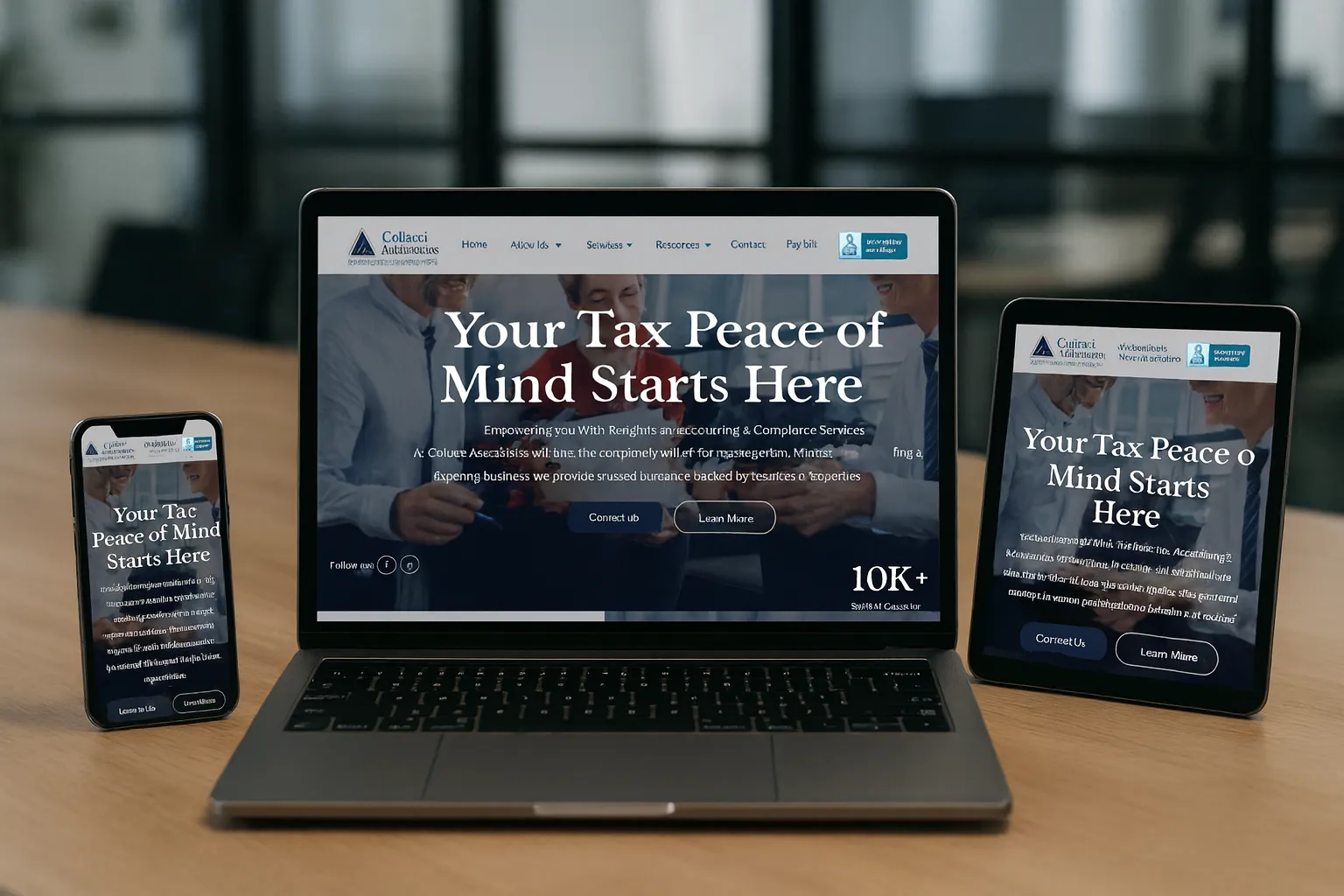
How We Work
We begin by understanding your exact goals, audience, and technical needs. This allows us to create a clear plan for your custom web application development project, making sure nothing is missed.
During development, we use the right technology for your project. This often includes PHP development services and frameworks like Laravel and Angular. Our developers are experts in building robust web application development services.
After your site is launched, we provide continuous support, monitoring, and updates. This ensures your custom web application development services remain secure, fast, and up to date for the long term.
Partner with Experts Who Secure Your Future
Innovation starts with the right foundation—let us fortify your systems and transform your IT challenges into opportunities.
4784 Broadway, New York, NY 10034